





Blog
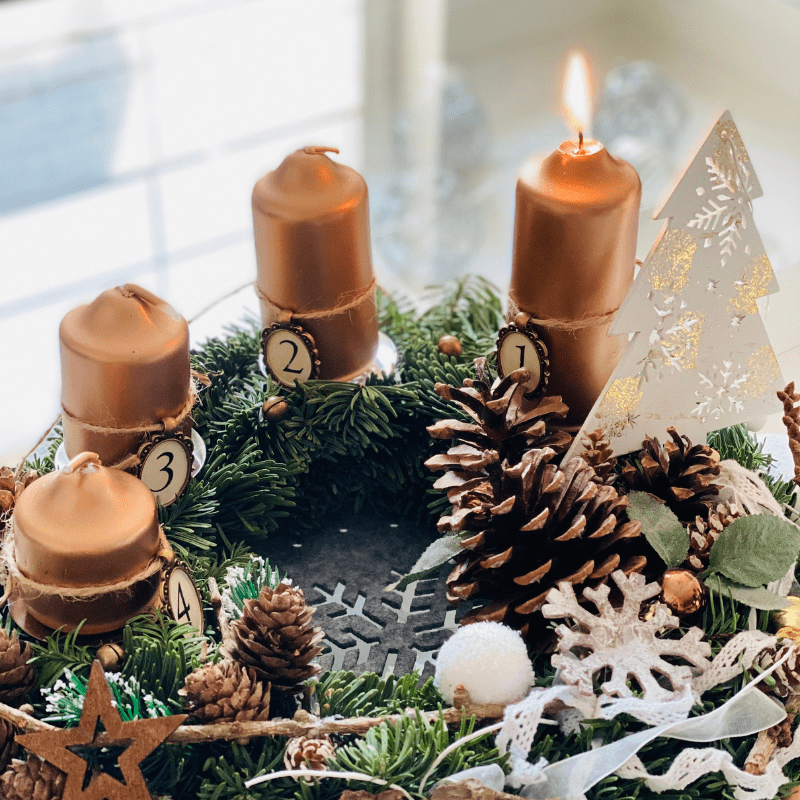
A single flame can serve as a symbol, a ceremonial instrument, and a focal point for intention in addition to providing light and warmth. The idea behind Guardian Flame is a useful candle design that promotes inner bravery, resilience, and anchoring.
The significance, design options, ceremonial applications, how to make your own Guardian Flame candle, and safe, useful methods to incorporate it into daily life are all covered in this article.
The Guardian Flame: What is it?
The Guardian Flame is a candle designed specifically to support the development of mental, spiritual, and emotional strength. It serves as a tangible anchor for intention, introspection, and consistent practice rather than a miraculous shortcut.
The candle becomes a reliable trigger that helps rewire reactions to stress, strengthen resolve, and produce calmer, more deliberate behavior by imparting aroma, color, timing, and ritual to the flame.
Psychology and symbolism
- Light as insight: The flame represents lucidity and the ability to recognize reality. Lighting the Guardian Flame can trigger an intention to clearly see one’s next course of action during uncertain times.
- Fire as a metaphor for transforming adversity into acquired strength: fire converts fuel into heat and light.
- Containment: The regulated flame of a candle serves as an example of disciplined strength, which is strong yet contained.
- Routine and conditioning: Neuroscience reveals that habits are formed by repeated stimuli linked to a purpose. Lighting a candle before challenging work is a practice that helps improve concentration and lower anxiety.
Design: materials, color, and fragrance
Color
- Burgundy or deep red: boldness, vigor, and strength.
- Indigo or dark blue: clarity under duress, inner stability.
- For protection and boundary-setting, charcoal or black (with a contrasting label) works best when combined with a metallic accent or brilliant wick-center to represent optimism in the midst of gloom.
Hue connections are cultural and personal, so pick the hue that resonates the best.
Profile of scent
Traditionally associated fragrances with resilience and grounding include:
- Cedarwood is calming and clears the mind.
- Frankincense, which is centering, gives intention weight.
- Vetiver is earthy and grounding.
- Sandalwood: serene and respectable.
For clarity and warmth, combine a subtle citrus or spice top note (bergamot, black pepper) with a dominating base (cedarwood, vetiver, or sandalwood).
Materials
- Wax: beeswax, soy, or a combination of the two. Soy retains scent nicely, while beeswax burns cleanly and for a long time.
- Wick: a wood or cotton wick that is the right size for the diameter of the candle (manufacturer recommendations).
- Add-ins: a tiny polished stone (tumbled on top, not immersed in the wax where it might interfere with burning); a few drops of crushed essential oils.
- Container: a tin or heat-resistant glass with a firm base and no labeling that might catch fire near the flame.
The Guardian Flame Daily Micro-ritual: How to Use It (2–5 minutes)
- Make sure the space around the candle is clear and place it on a sturdy surface.
- Inhale slowly three times.
- Say loudly or in silence, “I kindle my strength,” as you light the candle. I remain stable.
- Breathe carefully and observe the flame for a minute. Bring focus back to the flame gently if your thoughts stray.
- With the purpose of “carrying this strength forward,” eliminate until the next time, leave the candle visible but out of danger.
Use this to start a focused day, before challenging discussions, or during times of anxiety.
Ritual for building strength (10–20 minutes)
- Prepare by writing down one difficulty and one intended solution (e.g., “When I speak in meetings, I will…”).
- Light and invoke: recite the challenge out loud while lighting the candle.
- Meditation: spend five to eight minutes picturing yourself overcoming the obstacle with love and firmness.
- Repeat an affirmation six to twelve times (see examples below).
- Close: To signify the conclusion of the ceremony, pour a small cup of water (a symbol of tranquility) and take a drink. Put out the candle.
Useful affirmations
- “I maintain my composure and clarity.”
- “My voice is authentic; my boundaries are sound.”
- “I approach challenges with bravery and compassion.”
Changes and modifications
Smaller tin candles (2–3 oz) for travel-friendly applications are called Pocket Guardian Candles (travel tin). When transporting, store in a closed tin.
- Use lavender with vetiver and a lower wick to burn longer and encourage calm resilience while using Night Guardian (for strength connected to sleep).
- Work-Boost Guardian: cedar base and citrus top note for attention and clarity.
Safety and moral issues
- A lighted candle should never be left unattended.
- Stay away from children, pets, and drafts.
- Place on a surface that can withstand heat; never burn close to paper or drapes.
- To prevent glass from overheating, extinguish the wick before it is less than half an inch from the vessel base.
- If a perfume irritates you, turn off the candle and let the space air out.
- Make sure any crystals or flammable items you add are outside the melt pool and won’t fall into the flame.
Ethically obtain essential oils and wax. When obtained responsibly, beeswax helps beekeepers; for people who don’t want animal products, soy could be a preferable option.
Ritual ethics and perspective
A Guardian Flame is a tool, not a replacement for expert assistance. Use the candle as a supporting practice if you’re struggling with depression, chronic anxiety, or traumatic stress, and get professional help as necessary.
Instead of promising yourself or others that the candle “will” resolve difficult problems, present it as a helpful technique that enables you to complete the task with greater stability and clarity.
Giving gifts and using candles in communal settings

- Presents: Add a brief card with the smell notes of the candle and a suggested micro-ritual. To prevent misconceptions, explain the purpose of the candle.
- Group use: burn a single Guardian Flame in the center of a small gathering or support circle to serve as a focal point for common goals. Rituals should be concise and mutually agreed upon.
- Public areas: If it’s not agreed upon, don’t burn strongly scented candles in shared workplaces; instead, use unscented candles.
Conclusion
A candle provides a recurring, sensory ritual that anchors purpose, but it achieves nothing on its own. Light the Guardian Flame, practice your centeredness, and take a step forward to transform transient confidence into a practiced reaction.
Over time, stability becomes a default rather than an isolated effort due to the constant signal of that flame. The true transformation comes from deliberate, consistent practice, whether you make one yourself or buy a pre-made Guardian Flame; the candle only serves to remind you to start.
Similar articles
Restful Nights: A Sleep Ritual with Candlelight for Better Sleep Modern life rarely slows down on its own.

Making a candlelight meal is always lovely, but adding Irish friendliness, warmth, and tradition makes the evening
A single flame can serve as a symbol, a ceremonial instrument, and a focal point for intention

Candle Meditation: A Soothing Practice for Winter Nights Many of us find ourselves yearning for warmth, light, and

In Ireland, Christmas has long been a time for cozy get-togethers, fragrant homes, and warm lighting. In
Our energy might easily become dispersed, stressed, or burdened in a world that moves swiftly and requires