





Blog

Candle Meditation: A Soothing Practice for Winter Nights
Many of us find ourselves yearning for warmth, light, and inner peace when the days become shorter and winter arrives. The gloomy months of the year encourage reflection; they’re a time to slow down, regain equilibrium, and cultivate serenity.
Candle meditation, an age-old technique that blends the calming effects of firelight with the peaceful concentration of mindfulness, is one straightforward yet incredibly calming approach to achieve this.
For ages, candle meditation, known as trataka in Sanskrit, has been utilized in yoga and other spiritual traditions to improve focus, lower anxiety, and increase inner awareness. Its simplicity is what you need, and one flame is what makes it so beautiful.
The Fundamentals of Candle Meditation
Candle meditation entails slowing your thoughts and breathing while concentrating on the steady flame of a candle. The soft flicker helps still wandering thoughts by naturally drawing focus. By using both your eyes and your intellect, the exercise helps you stay in the present.
Candle meditation provides both physical and mental lighting throughout the long evenings and the lack of natural light in the winter. The gentle glow dispels the gloom and represents inner serenity and rejuvenation, creating a cozy atmosphere.
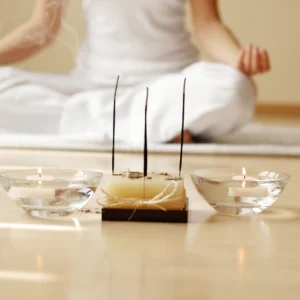
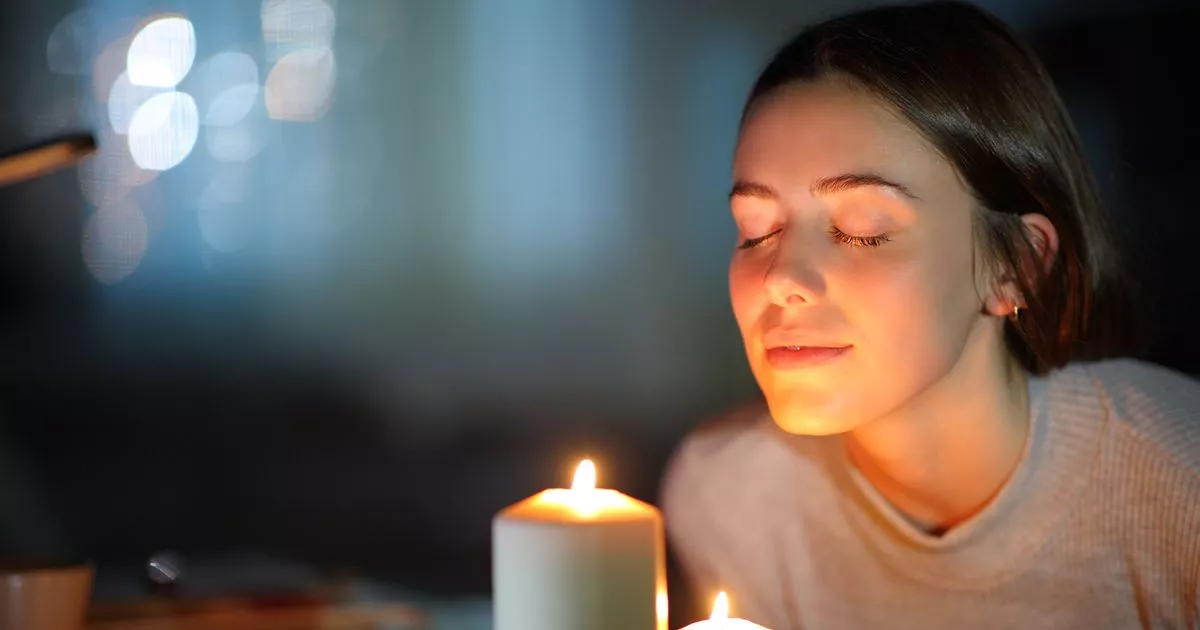
The Science of Calm
This age-old method has more than just mystique; research backs up its advantages. Gentle, warm light from candles encourages relaxation and causes the production of melatonin, the hormone that promotes sleep, according to studies on mindfulness and light exposure.
The parasympathetic nervous system, which lowers stress reactions, slows the pulse rate, and enhances well-being, can also be triggered by focusing on a flame.
Candle meditation also improves brain clarity and visual focus. Practitioners frequently report increased attention, emotional equilibrium, and even creative inspiration when they train the eyes to stay still and the mind to follow.
How to Meditate with Candles
To start, all you need is a peaceful area, a candle, and a few minutes of your time. No specific tools or expertise are required.
1. Set the Scene
Select your area: Find a quiet, dimly lit space where you won’t be disturbed.
Choose your candle: Use a plain, unscented candle to minimize distraction. If you prefer aroma, try chamomile, lavender, or sandalwood.
Positioning: Place the candle two to three feet in front of you at eye level. Sit comfortably with a straight spine.
2. Prepare Your Body and Mind
Take several deep breaths. Feel calm energy filling your body as you inhale and tension releasing as you exhale. Let your shoulders drop and your body become still.
3. Focus on the Flame
Gently rest your gaze on the brightest part of the flame—usually the base where the light is steady. Don’t strain your eyes, but avoid blinking too much. Observe its movement, color, and rhythm.
If thoughts arise, acknowledge them and let them drift away like smoke, returning your focus to the flame.
4. Close Your Eyes (Optional)
After a few minutes, close your eyes and visualize the flame in your mind’s eye. Notice its afterimage behind your eyelids—this symbolizes drawing the light inward and strengthening inner focus.
5. Conclude with Reflection
When ready, gently open your eyes and take a deep breath. As you blow out the candle, watch the final trail of smoke rise—it serves as a reminder of serenity and impermanence. Sit quietly for a few moments, observing how your body and mind feel.
Benefits of Candle Meditation
1. Calm and Stress Reduction
The hypnotic rhythm of a flickering flame lowers heart rate and slows breathing. It’s an ideal way to unwind after cold, demanding days, bringing you to a tranquil state.
2. Enhanced Mental Clarity and Concentration
Regular practice sharpens focus and patience—qualities often eroded by constant digital stimulation. Maintaining a steady gaze trains the mind to stay present.
3. Emotional Warmth and Connection
Winter can heighten feelings of isolation. Candlelight offers a sensory and symbolic antidote, creating comfort, safety, and emotional grounding.
4. Better Rest and Sleep
Practicing candle meditation before bed signals to the brain that it’s time to wind down. The soft light and mindful breathing prepare the body for deeper, more restorative sleep.

5. Spiritual Insight
Many view the flame as a symbol of inner light—consciousness, wisdom, or divine presence. Meditating on it can nurture gratitude and a sense of spiritual connection, especially during the contemplative winter months.
Tips for a Meaningful Practice
Stay consistent: Even 5–10 minutes daily can create lasting calm.
Embrace silence: Disconnect from screens, noise, and distractions.
Journal afterward: Write any insights or emotions that arise.
Establish a ritual: Light your candle at the same time each evening to build rhythm and intention.
Prioritize safety: Never leave a candle unattended, and extinguish it mindfully at the end of your session.
An Invitation to Winter Silence
The darkness of winter often mirrors our inner call for rest and reflection. Candle meditation offers a gentle way to honor that natural rhythm—turning inward, slowing down, and rediscovering peace.
The flame becomes both teacher and companion: steady yet ever-changing, silent yet alive. Let its warmth remind you that light always exists, even on the coldest nights.
With each flicker and breath, you create a small, shimmering sanctuary against the chill of winter.
Similar articles
Restful Nights: A Sleep Ritual with Candlelight for Better Sleep Modern life rarely slows down on its own.

Making a candlelight meal is always lovely, but adding Irish friendliness, warmth, and tradition makes the evening

A single flame can serve as a symbol, a ceremonial instrument, and a focal point for intention
Candle Meditation: A Soothing Practice for Winter Nights Many of us find ourselves yearning for warmth, light, and

In Ireland, Christmas has long been a time for cozy get-togethers, fragrant homes, and warm lighting. In
Our energy might easily become dispersed, stressed, or burdened in a world that moves swiftly and requires