





Blog
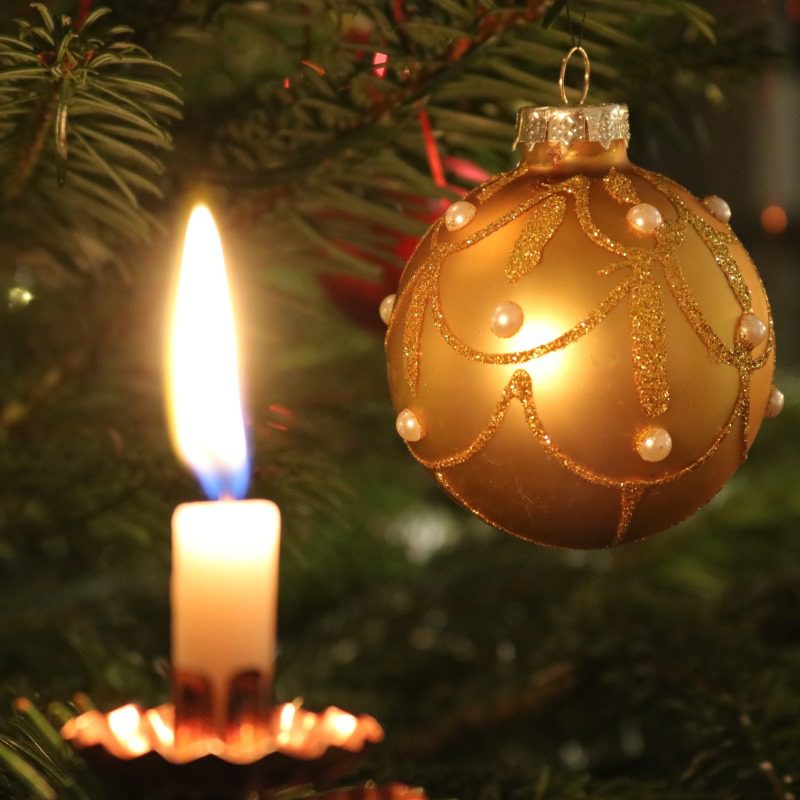
The Winter Solstice, when the Northern Hemisphere is tilted farthest from the sun and has its shortest day and longest night, is observed annually by communities all around the world. The solstice, which often occurs on December 21 or 22, has long been a significant event in many civilizations’ seasonal and spiritual calendars.
It is a timeless representation of perseverance, rebirth, and the subdued might of darkness, far more than an astronomical occurrence.
The Winter Solstice: What Is It?
According to astronomy, the winter solstice occurs at noon, when the sun is at its lowest point in the sky. This tilt leads to:
- The least amount of daylight
- The longest period of darkness
- Winter’s formal beginning
The days steadily lengthen after the solstice; thus, this time represents both a beginning and an end: a welcome to the returning light and a farewell to the diminishing brightness.

Historical Customs and Cultural Festivals
Societies have observed the Winter Solstice with customs honoring both darkness and the sun’s rebirth for thousands of years.
Yule (Germanic and Norse Traditions)
The concept of the sun’s rebirth was central to Yule. Families feasted to celebrate the longer days, decked evergreens to symbolize eternal life, and burnt the Yule log as a sign of warmth and optimism.
East Asia’s Dongzhi Festival
The Dongzhi Festival represents a shift toward equilibrium in East Asian civilizations, including Chinese culture. Families get together to celebrate peace, resiliency, and the slow return of light while enjoying hearty dishes like tangyuan or dumplings.
Ancient Rome’s Saturnalia
Saturnalia was a vibrant celebration honoring the god of agriculture, Saturn, that included eating, role reversals, and gift-giving. Its themes of liberation and rebirth had a long-lasting impact on subsequent winter festivities.
Inti Raymi (Southern Hemisphere Inca Tradition)
The Inca honored the sun deity Inti with ceremonies that acknowledged the sun’s life-giving return, even though June was their winter solstice. These ceremonies mirrored northern customs in spirit.
Symbolic and Spiritual Significance

Reflection on dualities, darkness and light, beginnings and ends, and calm and hope is encouraged by the Winter Solstice.
For many, it’s an opportunity to:
- Let go of old habits, ideas, or obligations.
- Make plans and sow the seeds for the upcoming year.
- Embracing the peaceful vibe of winter while resting and rejuvenating
- Find clarity via introspection by searching for inner light.
The longest night serves as a metaphor for the idea that light always comes back, even in our darkest hours.
Contemporary Methods for Honoring the Longest Night
The solstice is still observed today in both customary and unique ways:
1. Lantern or Candle Ceremonies
Candles are a sign of optimism and the gradual restoration of better times.
2. Stargazing or Nature Walks
Some people walk at twilight or gaze up at the winter sky, embracing the darkness head-on.
3. Journaling or meditation with reflection
The season’s calm encourages introspection and goal-setting.
4. Gatherings & Feasts
Ancient customs are echoed in the sharing of warm meals, spiced beverages, and communal ties.
5. Evergreen decorations or Yule altars
Pine, holly, or mistletoe sprigs honor the resilience of nature during the winter
The Significance of the Winter Solstice
The winter solstice softly invites us to calm down in a world that frequently goes too quickly.
The longest night serves as a reminder of:
- Darkness is a normal, essential stage and should not be feared.
- Just as important as activity is rest.
- Light comes back gradually, steadily, and consistently.
By celebrating the solstice, we reestablish a connection with our own inner seasons, natural cycles, and ancient rhythms.

Conclusion
The Winter Solstice is a worldwide time for introspection, thankfulness, and hope rather than just a day on the calendar. We honor not only the shifting sky but also the resilient human spirit that finds purpose in both darkness and light as the longest night gives way to growing daylight.
The Winter Solstice serves as a potent reminder that every return to light starts in the calm core of darkness, whether it is celebrated via ceremony, relaxation, or just awareness.
Similar articles
Restful Nights: A Sleep Ritual with Candlelight for Better Sleep Modern life rarely slows down on its own.
Making a candlelight meal is always lovely, but adding Irish friendliness, warmth, and tradition makes the evening
A single flame can serve as a symbol, a ceremonial instrument, and a focal point for intention

Candle Meditation: A Soothing Practice for Winter Nights Many of us find ourselves yearning for warmth, light, and
In Ireland, Christmas has long been a time for cozy get-togethers, fragrant homes, and warm lighting. In
Our energy might easily become dispersed, stressed, or burdened in a world that moves swiftly and requires