





Blog
Ireland is famous for its beautiful coastlines, poetic stories, and the way that hospitality is a part of everyday life. But one of its most quietly treasured traditions, the art of the slow evening, is often missed by tourists.
This is not just a way to relax; it is a mindful way to wind down, a ritual of connection and calm that is shaped by Irish history, weather, community, and temperament. In a world that prioritizes speed, the Irish evening offers a gentle alternative: a deliberate deceleration.
A Legacy Rooted in Rhythm
Historically, Irish rural life followed the rise and fall of natural light. After long days spent outdoors tending fields, fishing, or walking livestock, people settled into evenings marked by firelight, conversation, and music.
Though modern Ireland is fully connected and fast-paced, the cultural memory of slower rhythms persists. Even now, there is still some ceremony involved in the change from day to night: work is done, the kettle is turned on, the stove or fireplace comes to life, and homes settle into a slower pace.
The Heart as the Hearth
The Irish evening is for the hearth if the morning is for movement. The location of the evening gathering is still emotionally significant, whether it is a turf fire or a contemporary stove. It’s where:
- Narratives are shared
- We talk about the weather (inevitably)
- Music slips into the background.
- People find “a bit of peace.”
This tradition survives because it satisfies something deeply human: the need for warmth, grounding, and shared space without expectation.
The Ritual of the Kettle
Although the Irish love of tea is practically a cultural shorthand, it is especially significant on leisurely nights. Boiling the kettle is a deliberate pause, not just a way to make a drink. The steps themselves are unhurried:
- Fill the kettle
- Wait for the boil
- Heat the teapot.
- Stir, pour, and settle
It encourages presence. Even those who like coffee or chocolate frequently take the same ritualized approach.
Unhurried Conversations
One hallmark of the Irish slow evening is the unpressured, meandering conversation. Deep insights or conclusions are not reached in a hurry. People converse about:
- The day’s small victories or annoyances
- Local news or village happenings
- Weather changes (again)
- Who dropped by
- Gently surfacing memories
It’s conversation as companionship rather than performance.
Nature as a Friend
Despite Ireland’s reputation for rain, evening walks are beloved. These walks are taken at a pace that encourages introspection, whether they are along city canals, wind-scoured cliffs, or rural lanes.
Even storms have their charm; watching clouds roll in from the Atlantic can be part of the daily slow-down. This closeness to weather and landscape lends Irish evenings a contemplative quality.
Music, Stories, and the Creative Pulse
Ireland’s artistic identity also thrives in these soft hours. Evenings that are slow are ideal for:
- Playing traditional tunes
- Reading novels or poetry
- Writing in journals
- Sketching or practicing instruments at home
- Listening to the subtle blend of wind and distant waves
It takes time to be creative. As many Irish people say, it comes “in its own good time.”
The Local Pub and the Community
Contrary to stereotypes, the Irish pub, especially in rural areas, is less about drinking and more about social presence. Slow evenings are often spent in familiar pubs where:
- Strangers become conversational partners
- Regulars share tales from bygone eras.
- Traditional music sessions unfold organically
- No one is pressured to be the life of the party
The pace is easygoing, the lighting warm, and the atmosphere communal rather than frenetic.
Digital Simplicity by Default
While Ireland is technologically modern, there remains an instinctive cultural preference for minimising screens during evening hours. Families may watch a film together, but scrolling is less of a default pastime than in many other places.
The cultural gravitation toward interpersonal connection and tactile comforts like tea, fire, knitting, baking, or reading naturally pushes digital bustle to the side.
Food as Comfort, Not Spectacle
Stews, fresh bread, roasted vegetables, or seafood close to the coast are typical hearty and straightforward evening meals. The slowdown is finished later in the evening with a piece of cake, some toast with butter, or a biscuit and tea. Irish cooking in the evenings celebrates nourishment rather than extravagance.
Why It Matters Today
There are several lessons to be learned from the Irish art of leisurely evenings:
Balance: Stress can be decreased with a planned finish to the day.
Presence: The relationship is enhanced by phone-free and obligation-free hours.
Creativity: Unstructured leisure stimulates inventiveness.
Cultural continuity: Rituals of quiet transmit tradition into modern life.
Ireland’s evening rhythm shows that serenity is not the absence of activity but rather the presence of intention in a culture that increasingly values busyness.

Conclusion
The Irish practice of leisurely nights is a way of life rather than just a peculiarity. It demonstrates a strong regard for minor rituals, connections, and peaceful times.
These evenings provide something the world could always need more of: a reminder to slow down and appreciate the basic, human pace of life, whether through a stroll, a warm cup of tea, a calm talk by the fire, or a beautiful melody floating through a bar.
Similar articles
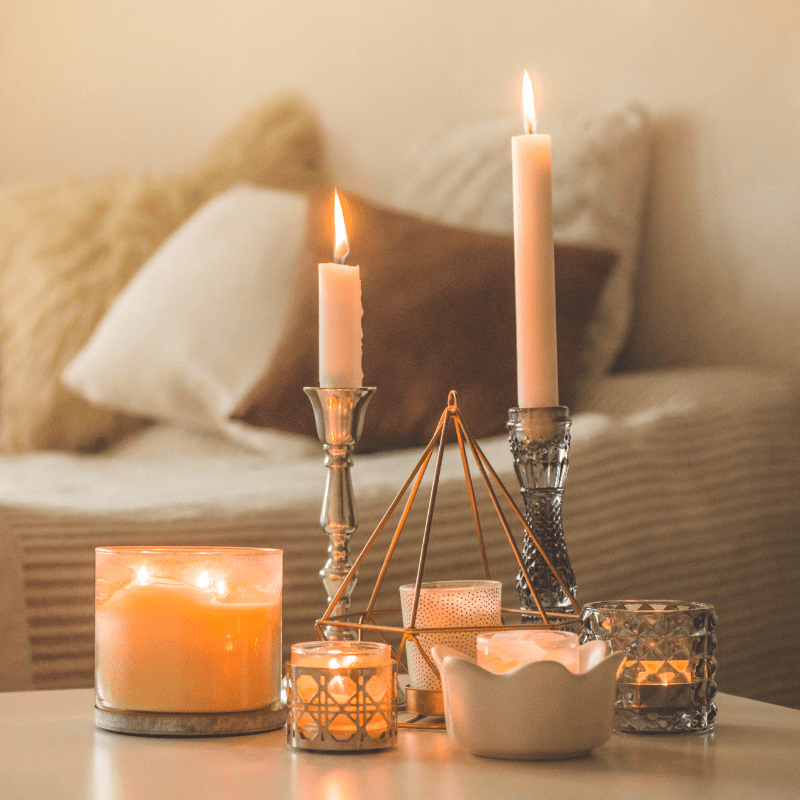
Restful Nights: A Sleep Ritual with Candlelight for Better Sleep Modern life rarely slows down on its own.

Making a candlelight meal is always lovely, but adding Irish friendliness, warmth, and tradition makes the evening
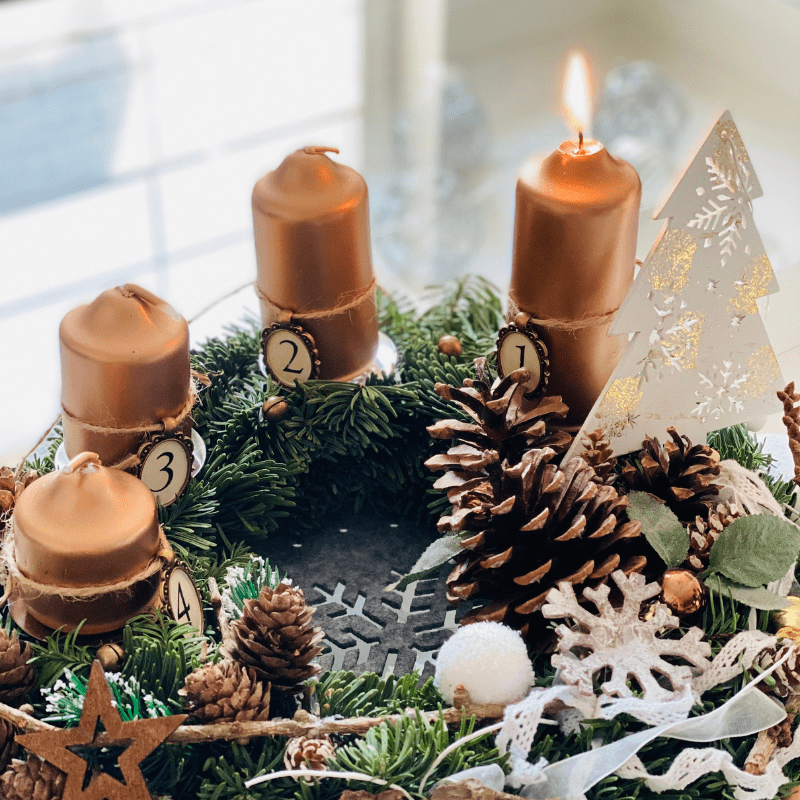
A single flame can serve as a symbol, a ceremonial instrument, and a focal point for intention

Candle Meditation: A Soothing Practice for Winter Nights Many of us find ourselves yearning for warmth, light, and

In Ireland, Christmas has long been a time for cozy get-togethers, fragrant homes, and warm lighting. In

Our energy might easily become dispersed, stressed, or burdened in a world that moves swiftly and requires