





Blog

The Strength of Pardoning
One of the most powerful emotional healing practices is forgiveness. It is about letting go of the burden of anger and bitterness that binds us to the past, not about forgetting suffering or justifying wrongdoing. Forgiveness rituals have been utilized as holy instruments for rebirth, harmony, and reconnection with ourselves and others across all nations and spiritual traditions.
A candlelight ritual is a very delicate and contemplative method of developing forgiveness. As we struggle through the inner process of letting go, the gentle, live flame of a candle becomes a symbol of light, compassion, and release, a silent ally.
The Meaning Behind Candlelight
Candlelight has long been linked to spiritual awakening, healing, and purification. In numerous customs:
- The flame stands for truth, clarity, and the presence of the divine.
- Solid agony turning into fluid and eventually evaporating into air is symbolized by the melting wax.
- Lighting a candle represents intention: a deliberate decision to illuminate a previously dark area.
Candlelight provides a visual reminder that love and understanding can soften even the most difficult feelings when they are paired with forgiveness.
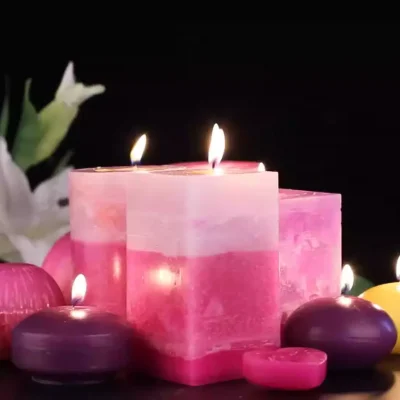
Getting Ready for the Ritual
Spend some time preparing your mental and physical environment before you start. Forgiveness is a precious act; treat it with compassion and purpose.
1. Select Your Environment
Locate a peaceful area where you won’t be bothered. In the evening, when things are more tranquil, dim the lights or perform the ritual. You could choose to add journaling, gentle music, or organic components like incense, flowers, or stones.
2. Pick Your Candle
- Select a candle that speaks to your mission:
- Cream or white for innocence and fresh starts
- Pink represents compassion and self-love.
- Blue is a color for harmony and dialogue.
- Lavender or violet for spiritual release and healing
Use a soy or natural beeswax candle if you can. The constant beat of your own heart as it opens to forgiveness is reflected in its soft, steady burn.
3. Clearly State Your Goal
Who am I willing to forgive, you ask? This might be you, a group, or even someone else.
On a piece of paper, write the name or circumstances. Write your intention underneath it, for instance:
“I let go of the hurt from the past. I let compassion and serenity into my heart.”

The Forgiveness Ritual
Step 1: Breathing Centering
Take a comfortable seat in front of your candle. Shut your eyes and take a deep breath. Feel your chest rise and fall. Let the stress out of your body with each exhalation. Imagine that your breath is making room inside of you for healing and illumination.
Step 2: Candle Lighting
Say quietly as you ignite the candle:
“I bring light into the dark corners of my heart with this spark. May I be led by this light to forgiveness and understanding.
Take a few moments to look into the flame. Allow its constant light to focus your attention within. Take note of any emotions that surface, such as grief, resistance, or compassion. Emotions are not right or wrong. Just observe them with empathy.
Step 3: Recognizing the Injury
Write out the harm or circumstance you want to forgive in a few phrases on your sheet of paper. Talk (either loudly or quietly):
“I’ve carried this pain with me.” I recognize it, give it a name, and respect my feelings.
Recognize that although your grief is genuine, you are prepared to start letting it go.
Step 4: Expressing Pardon
Now, softly say:
“I choose to forgive because I want to be free, not because it was right.”
If you’re trying to forgive yourself:
“I let go of the weight of my own judgment. I permit myself to be entire and human.
Think of the flame like your heart: radiant, warm, and fearless. Imagine the light growing inside of you, calming hurt, reducing rage, and bringing serenity into the voids.
Step 5: Release of Symbols
You may safely place the paper next to the candle and see how the light reveals the words you have written. Later, if it seems safe and appropriate, you can burn the paper in a fireproof dish so that the smoke represents release.
Repeat as it burns:
“I let this suffering go into the light.” May it be replaced by understanding and peace.
Finishing the Ritual
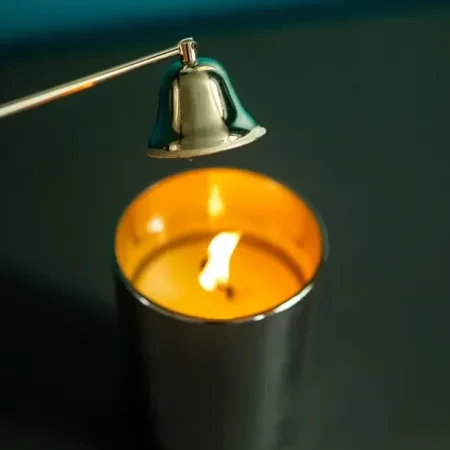
When you’re ready, gently extinguish the candle without blowing it out too forcefully. Whisper:
“The light is still inside of me.”
Sit quietly for a few minutes. Take note of your body’s sensations—lighter, maybe quieter. Following the ceremony, keeping a journal might aid in the integration of your experience. Jot down any thoughts or feelings that came to mind.
Following Care: Fostering Persistent Forgiveness
Forgiveness seldom happens in a single act; rather, it happens gradually. For serious wounds, you might need to perform this ritual many times. To aid in the procedure:
- As a reminder of your aim, light your candle once more when you’re feeling angry or depressed.
- Every day, use gentle affirmations to cultivate self-compassion.
- Take part in grounding exercises, such as meditation, taking a stroll in the outdoors, or spending time with loved ones.
It gets simpler to ignite the flame and open the heart each time you do the ceremony again.
conclusion
Even if a candle’s flame is small, it can change the darkness. Similarly, forgiveness brings fresh significance and harmony to the past rather than erasing it. Candlelight forgiveness is a peaceful ceremony that serves as a reminder that healing, like the flame, is both brittle and incredibly robust, and that light can always return.
Similar articles
Audio-guided candle rituals facilitate “Sensory Entrainment,” a process where amber light (1800K-2400K) and alpha-wave audio frequencies work together
Restful Nights: A Sleep Ritual with Candlelight for Better Sleep Modern life rarely slows down on its own.

Making a candlelight meal is always lovely, but adding Irish friendliness, warmth, and tradition makes the evening

A single flame can serve as a symbol, a ceremonial instrument, and a focal point for intention

Candle Meditation: A Soothing Practice for Winter Nights Many of us find ourselves yearning for warmth, light, and

In Ireland, Christmas has long been a time for cozy get-togethers, fragrant homes, and warm lighting. In